Showing posts with label local history. Show all posts

Saturday, March 2, 2024

Tunnel Vision

Hello!  I'm checking in after another self imposed period of absence from the screen.  Eyes and screens are not great bedfellows and eye strain is a recurring problem for me, my phone being the biggest culprit.  Talk about 21st century problems!

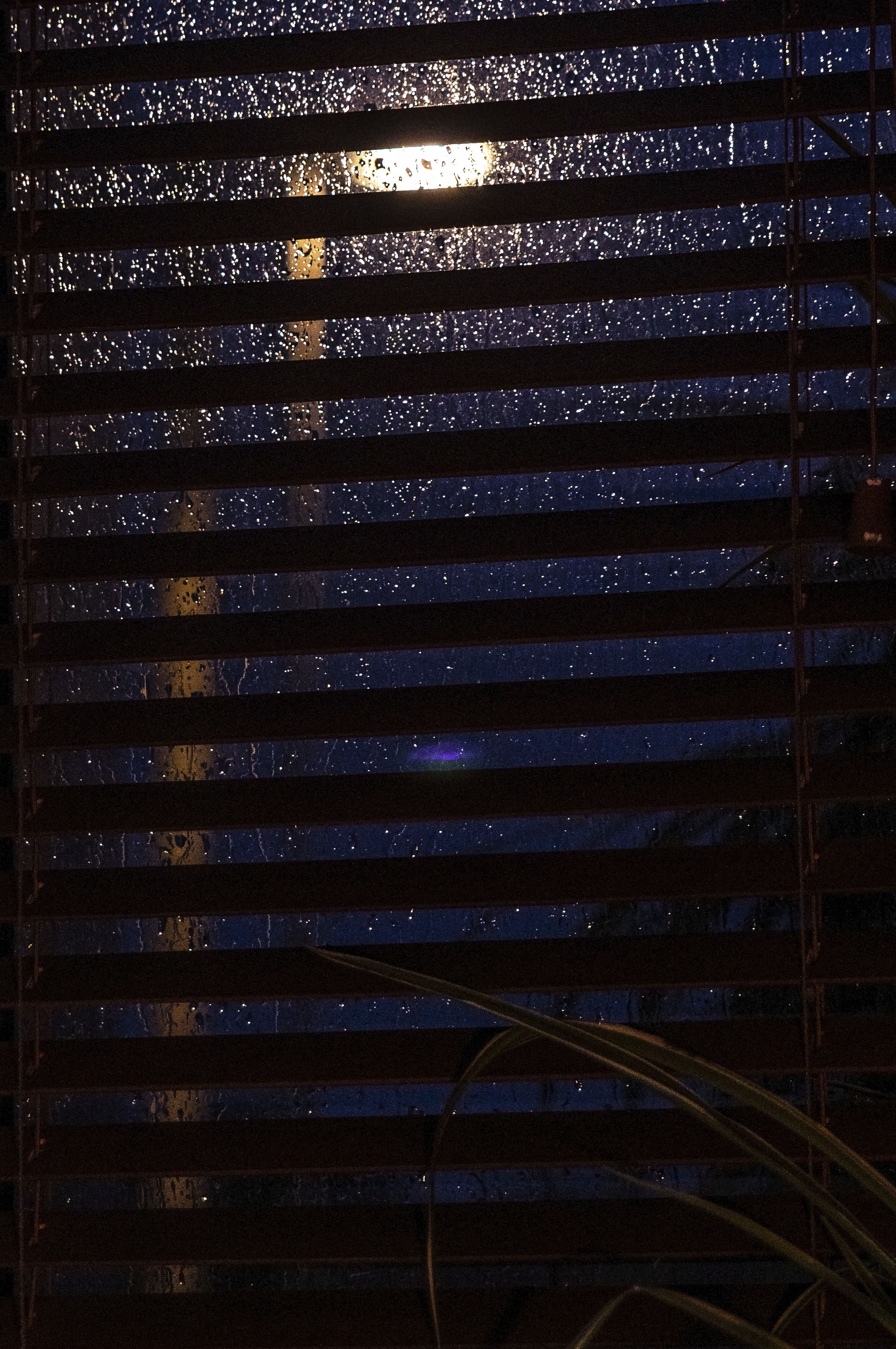
We are living in dark times and there are times when I'm finding it hard to find the light.  Photography continues to push me to do so.  Here's the moon glimpsed through our roof window, criss crossed by thorns and slightly soft focus rosehips.  I'm slightly irritated by that, but quite like the overall magic of the scene.


I appreciate the escape that Blogland offers, but there are some things that just shouldn't be left unsaid.  All life is precious and every single one that is cut short by war or malevolence is a tragedy.  The world's problems are numerous, widespread and currently feel insurmountable.  Yet in this turbulent world plagued by violence, intolerance and corruption, Alexei Navalny was one soul who offered a glimmer of hope, albeit in the dim and distant future. 

Incomprehensibly, he's no longer with us....yet another light that has gone out.  If you've never seen the Oscar winning documentary "Navalny" you really should.  It's inspiring stuff and his bravery clearly knew no bounds.  After viewing what I could of his funeral yesterday on YouTube, I felt moved enough to immortalise him in this revolutionary-style poster, alongside his chosen final message.


February has been one of the wettest on record, so our walks have been few and far between.  I've realised that dampness has a huge impact on how cold I feel.  Crisp, dry air, even when the thermometer is hovering around zero, is much more comfortable than 7 or 8 degrees in damp conditions.  

That said, we continue to discover new places on our doorstep.  Regular readers will know that Kinver Edge, the National Trust managed area, is a beloved local beauty spot of ours.  In amongst the 600 acres of land, are hidden places of intrigue and last weekend, we ventured to the perimeter and beyond and stumbled across another one - a Grade II listed monument - hidden deep in dense woodland. 


It bears the following inscription: 

"This pillar commemorates 
That devoted man Richard Baxter
Minister of the Old Church.
Kidderminster about the year 1650
And whose unwearied labours
Were so greatly blessed to that
Town and neighbourhood.
Read his Saints everlasting rest
And call to the converted."

The pillar monument, erected circa 1850, stands tall, but nonetheless is somewhat dwarfed by the surrounding trees.


Now, I'd never heard of this Richard Baxter, so after a little research, I discovered that Baxter was a Nonconformist Puritan minister, theologian, poet and hymn writer (he had a lot going on!) 


His ministry in nearby Kidderminster was controversial because Baxter's strong views on justification and sanctification, with their emphasis on faithfulness and repentance, were unusual.

Baxter was elected as minster by the people of Kidderminster after being invited to deliver a sermon.  He was twenty six.  He had a long and eventful career, dogged by persecution in one form or another. 

He was ejected from the Church of England after the 1662 Act of Uniformity.  However, he became one of the most influential leaders of the Nonconformists in the 1600s, partly because of his prolific theological writings, partly because of his prosecutions and his time in prison for various faith related offences.  

You can read about his turbulent life and divisive theological views here:-


Just a stone's throw away from the monument, is the Drakelow Tunnel complex, a former underground military complex covering 26,500 square metres with a total length of 5.6 km.  They were originally built as a Second World War Shadow Factory and were developed during the Cold War to be a fall back government centre.

British shadow factories were the result of the Shadow Scheme, a plan devised in 1935 and developed by the British Government in the build up to World War II to try to meet the urgent need for more aircraft using technology transfer from the motor industry to implement additional manufacturing capacity.  The term "shadow" might suggest secrecy, but in reality it was a reference to a protected environment staffed by motor industry employees of all skill levels working alongside (in the shadow of) their own similar motor industry operations.


The Drakelow Tunnels Museum is now open after spending a number of years in private ownership.  Inexplicably, we never got around to visiting before the complex (the largest underground tunnel complex in the UK) closed in the 1990s and I was unaware until recently that it had in fact reopened after a painstaking transformation into a family friendly Cold War Museum.  I've dropped them an email to plan our very first visit!

Given that the echoes of this dark chapter of our history are reverberating loudly now in 2024, I'll leave you with some positivity.

First up...a beautiful sunrise captured last week.  Our house sits on the fringes of the West Midlands conurbation.  In one direction, we have a fairly urban skyline as evidenced by this photo.  In the opposite direction, we have woodland and countryside stretching all the way to Wales.


The low lying mist and pale pink sunrise makes everything look beautiful!

In the garden, Squirrel Nutkins is up to his usual antics, robbing great chunks of fat balls from the disgruntled robins and blackbirds.


As much as I can't stand the rain, we witnessed some beautiful cloud formations over Walton Hill (another local beauty spot with incredible panoramic views over town and country).


Today, I scored these apparently unused M&S hiking boots from a charity shop for £7.00 and am choosing to ignore the teen's cruel "Ronald MacDonald shoes" comparison.  


Whilst it might not feel like Spring right now (snow fell on high ground last night), nature definitely received the memo.


But the big news in these parts, is that last week, Staffordshire County Council served a notice on the owners of The Crooked House (Britain's Wonkiest Pub), to rebuild it within 3 years, exactly as it was before the arson attack and unlawful destruction.  Regular readers will recall that we were outraged last August when yet another piece of local heritage was laid to waste, allegedly by individuals motivated by financial gain.

You can read my post written in the aftermath here:- Winter Peach Photography: A Very Crooked Tale

The campaign group have plans for an event on the anniversary of its demolition, which include inviting along the band originally booked to play on the eve of its destruction - Gasoline and Matches.  Yes, really!

There's a way to go yet, but it's definitely seen as a little victory and a big step towards the pub making a return!


See you soon!


Thursday, April 7, 2022

Who Put Bella in the Wych Elm? A Midlands Mystery

In the closing part of my last blog (read it here: Winter Peach Photography: Horticulture, History and a Hint of Intrigue ) you may recall glimpsing an infamous local landmark.


This is the Hagley Obelisk or Hagley Monument on Wychbury Hill (also referred to as the Wychbury Obelisk/Monument).  A needle pointing skywards, the monument is Grade II listed and stands approximately 84 feet (26 metres) high.  There are extensive views from Wychbury Hill and the hill (if not the monument) can be seen from the Malverns.


The monument was commissioned by Sir Richard Lyttelton, son of Sir Thomas Lyttelton (owner of Hagley Hall) in 1758 as a real eye catcher of a family memorial.  At around the same time, Sir Richard was busy landscaping Hagley Park in the new picturesque style and commissioning follies to complement the Hall's surroundings.

Hagley Hall

To me, the monument simultaneously has associations with halcyon days and the kind of darkness to infiltrate dreams.  I have vivid childhood memories of sledging in thick snow from the top of Wychbury Hill.  It's not for the faint hearted and no sledging experience before or since has lived up to the thrill of speeding down this hill.


The darkly fascinating association is best expressed through a question sure to send shivers down the spine of any local resident:  Who Put Bella In the Witch Elm?

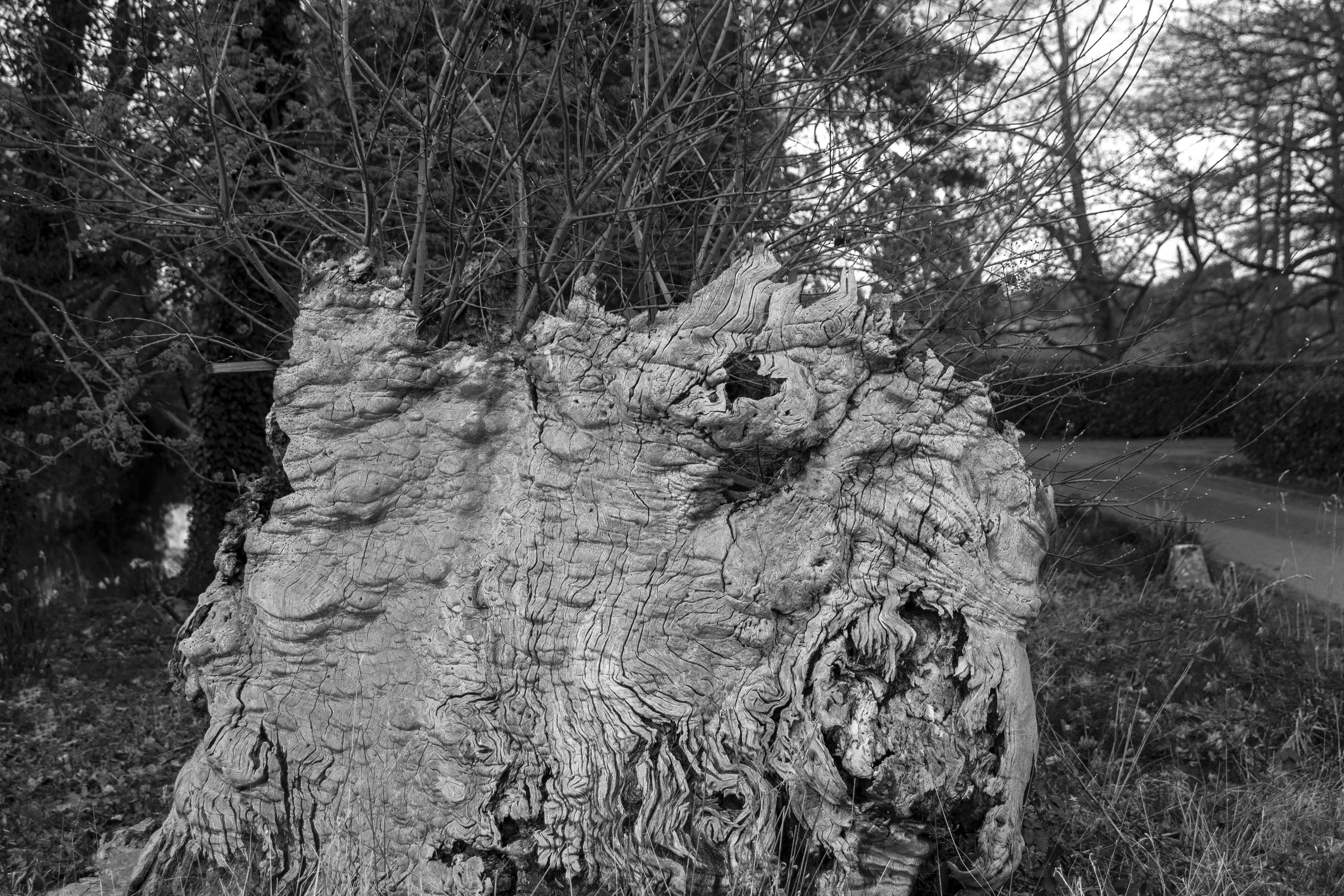
Our story starts almost 79 years ago to the day, on 18th April 1943, when four local bird nesting boys, trespassing in Hagley Wood, spotted a huge Wych Elm.  Thinking it a likely good spot for birds' nests, one boy climbed the tree and peered down into the Wych Elm's hollow trunk...not too dissimilar to this one, photographed last week at Harvington Hall.  

Once part of an Elm avenue at Harvington Hall

It was there his eyes settled upon a skull nestled inside.  Initially the boy thought it was an animal skull, but soon spotted tufts of human hair and teeth.  Understandably unsettled and worried that their trespassing would be revealed, the boys vowed to keep quiet.  However, one was so frightened by the discovery, he confided in his parents and a police investigation began.

As the elm was split, inside, the best part of a female human skeleton (approximately 5 ft tall), was recovered, along with a shoe and fragments of clothing (including taffeta stuffed inside the poor woman's mouth).  Close by another discovery; a gold wedding ring on the skeletal remains of her hand.  It was established that the woman had been dead for approximately 18 months, placing the period of death at around October 1941.  Forensics agreed that her body would have been placed inside the tree "still warm" as it would have been impossible to conceal a body in this manner once rigor mortis had set in.

Many people were reported missing during the second world war and even more moved around with some frequency.  This made the Police Force's ability to trace and identify the 35 year old victim near impossible.  Even her distinctive dental records, though widely circulated, failed to bring any answers.

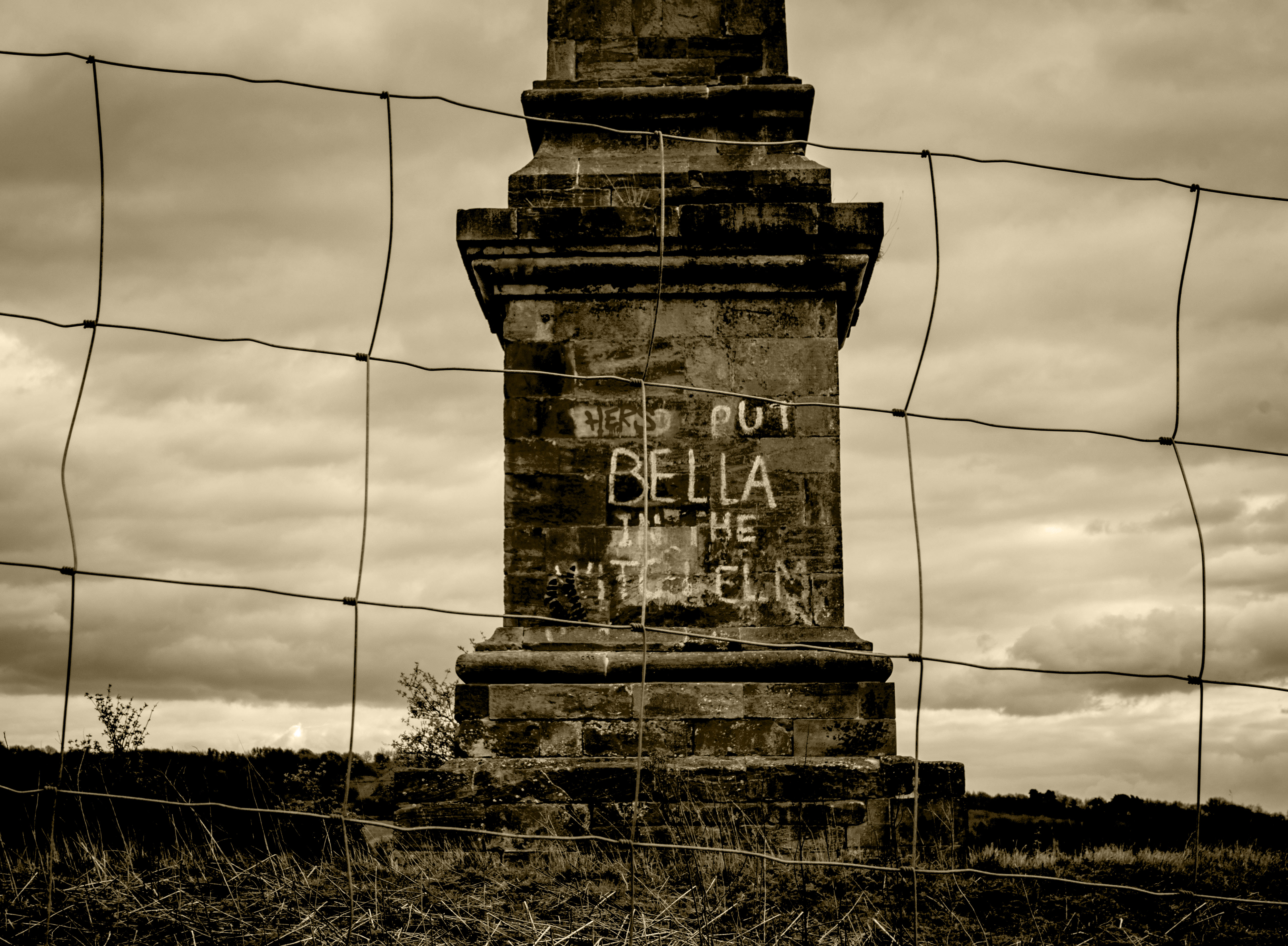
Approximately one year later, graffiti appeared on a wall in Upper Dean Street in Birmingham.  It read: "Who Put Luebella in the Wych Elm - Hagley Wood?"  Similar graffiti appeared subsequently in Hasbury and at other locations scattered across the region, including, since at least the 1970s, on Wychbury Monument. All messages were apparently written in the same hand, seemingly referencing the same individual.  Over time, "Luebella" (a gypsy name derived from Bluebell) became "Belladonna", eventually settling with "Bella".

Hagley Wood trees

There are a number of compelling theories, though almost all have been disproved.   There's the witchcraft theory, largely resulting from the fact that Bella's hand was found outside of the tree as though deliberately severed (animal interference is in fact the most likely explanation here).  Wychbury Hill is also the site of Wychbury Ring, an Iron Age hill fort.  Local folklore hints at an ancient shrine or henge. A ley line runs through Wychbury Hill - purportedly to Stone Henge - and there is anecdotal evidence of pagan and satanic worship in the area stretching to Clent Hills.  

The Four Stones, Clent, commissioned by the Lytteltons at the same time as Wychbury Obelisk.

There are intriguing stories of World War II espionage in the area; of German spies parachuting in, including a female former German cabaret singer whose speciality was a Birmingham accent.  A particularly disturbing story was relayed via a formal statement issued to the police by a local woman, who claimed her husband bore witness to the murder of a Dutch woman after a late night drinking session with the victim and her boyfriend.  He was so haunted by the vision of a woman's face peering out from a tree, that he lost his sanity and was admitted to a mental hospital for this traumatic recurring dream.  He died before Bella was discovered.  However, as compelling as some of these stories are (and much has been written on this case), there is definitive proof or persuasive evidence sufficient to discount them.

Wherever the truth lies, the killer or the killer's accomplice, must have had local knowledge.  It's simply not plausible that the discovery of a tree like the Wych Elm, sufficiently tall and hollow enough to conceal a body not yet cold, was merely chance.


Another theory points to the Gypsy communities that frequented the area in the 1940s.  Curiously, the body was actually found in an area of woodland closer to Clent Hills than to Wychbury Obelisk, off a lane almost opposite a pub now known as The Badgers Set (purportedly haunted by Bella).  Growing up, my Dad always used to refer to this pub by its former name, The Gypsy's Tent.

Perhaps Bella's poor clothing, crooked teeth and the failure of anyone to come forward and report the woman missing, could be attributed to the traveller community, who live outside of society's usual parameters...?

Inexplicably, the historic graffiti adorning the Wychbury Obelisk, was slightly altered in 2020.  It now reads: "Hers put Bella in the Witch Elm."

The mystery has never been solved, although Bella's likeness can now be revealed, courtesy of work undertaken in 2018 by  Dr Caroline Wilkinson, forensic anthropologist and Director of the Faces Lab at Liverpool John Moores University.  Introducing Bella.  Out of shot is her wavy brown hair, but her distinctive crooked teeth are plain to see.  In yet another twist, Caroline worked only from original case photos of the skull because at some point in the intervening years, Bella's skeletal remains mysteriously vanished!


Much of this story has been verbally relayed to me over the years, a chilling tale reserved for late night car rides and and camping trips.  Unsurprisingly, a number of books have been published on the mystery.  For opera lovers, there is a composition by Simon Holt, inspired by paranormal activity attributed to Bella at the aforementioned Gypsy's Tent pub.  I can also thoroughly recommend the documentary "Who Put Bella in the Wych Elm - The Untold Secrets" a riveting 50 minute watch directed by Jayne Harris (99p for Amazon Prime members) with a hint of more to come on this story...

Watch Who put Bella in the Wych-Elm? - The Untold Secrets | Prime Video (amazon.co.uk)

Inspired by our weekend walk through the twisted trees of Hagley Wood, over carpets of Wood Anemones (I squealed like Ann when I saw them) and up to the monument (it had been many many years since my last visit), I'll leave you with these words and photos.


Luebella, your last breath warm,

Sleeping upright in deadly nightshade,

Drifting on Spring's breeze

like the horse that carried you,

A soul ill at ease.


Belladonna, in Wych Elm's embrace,

Wood Anemone stars twinkle for you

Under two April moons;

An inconvenient secret,

Caught, concealed, cocooned.


Bella, What gives? A band of thieves, that band of gold?

What binds your silken tongue...

Permanently tied?

Though still, you've set in motion,

Wheels to recover your pride.


The wood that held you steady, split, your spirit freed. 

Keen eyes, guilty loose lips

Someone will have told,

Restless still, but rest assured

Bluebell's secret will unfold.


Sunday, April 3, 2022

Horticulture, History and a Hint of Intrigue

We may be fully vaccinated, but we are determined to avoid Covid if at all possible, particularly now a close family member is facing numerous hospital tests.  We can't afford to pass anything on.  Last week's stats made for scary reading.  One in thirteen people in the UK had Covid last week - that's 5 million people.  We now have 20,000 people in hospital with Covid (although not all for that reason).  People may not be dying in such scary numbers, but according to one NSH worker we were chatting to yesterday, the situation in hospitals "is very bad."  

Anyway, we've been quite happy roaming around the great outdoors, especially when the temperature last weekend topped Spain's.  Our chosen destination last weekend was Arley Arboretum, sitting on the banks of the River Severn in the hamlet of Upper Arley.  It's one of the area's hidden gems and is one of the oldest Arboreta in Britain.  Well, I say hidden, but I still managed to bump into an old primary school friend.


It was originally planted by Earl Mountnorris in around 1800 and contains many exotic and rare tropical plants and one of the country's finest specimen tree collection.  


Ownership subsequently passed to Robert Woodward in 1852, before being acquired - in a state of neglect - by Midlands industrialist and philanthropist, Roger Turner in 1959.  Turner took on responsibility for the picturesque hamlet, building 27 new properties, restoring the arboretum and Grade II listed walled garden and bringing the community together by erecting a Sports & Social Club. 


Prior to his death in 1999, Turner, with great foresight, had taken steps to protect the Arboretum by setting up a charitable trust.  He bequeathed the entire 1600 acre Estate to that Trust.  The Trustees took the decision to open the arboretum to the public, having decided that it held sufficient educational importance.  It was officially opened to the public in 2002 by Lord Lichfield.

The Arboretum boasts a wonderful Laburnum Arch measuring 65 metres, sadly not in flower at the time of our visit.


Also, the usually spectacular Italian garden was missing its fountain and one of the pools had been drained.

However, the 300 species of trees dating back over 350 years, the blossom and the acres of magical woodland walks and views more than made up for this.


We even reverted to childhood and entered the Hornbeam maze.  Clocking that the laid hedgerows weren't yet in leaf, I scoffed as we entered, suggesting that this would be a doddle, only to exit, alongside a tearful pre-pubescent 20 minutes later.  He was upset that his biggest fear of getting lost in a maze had been realised.  As for me, I was just a quitter.  


Here's Gareth calling me a loser from the centre.  It still took him way too long to fnd it!

I received a copy of Irish singer/poet Imelda May's poetry collection for Mother's Day after dropping the heaviest of hints.  The collection includes a foreword by Irish Novelist Roddy Doyle and is accompanied by Imelda's pencil drawings.


Here's a lovely little example entitled "Etta."  Apologies in advance for the stream of consciousness layout, but Blogger would not permit single line spacing!

The sun sneaked its head out from a volatile sky and winked at pansy smiles that got the joke Etta James sang her soul out from across the divide and I danced in my slippers with a heart of love and hope.

Back home in the garden, the magnolia is finally in flower and has miraculously defied this year's late frosts.  Here is is, pictured at dusk on Wednesday evening.


Joining me on my evening garden exploration, was Lotte.  The only way I can distract her and stop her relentless head bumps (which mess with my focus), is to throw a twig or a leaf for her to hunt down.  Here she is, my perfect furry muse, hunting her imaginary prey amongst the daffodils.


Later in the week, we were treated to wind, sleet and snow flurries before the weather finally settled into squally rain.

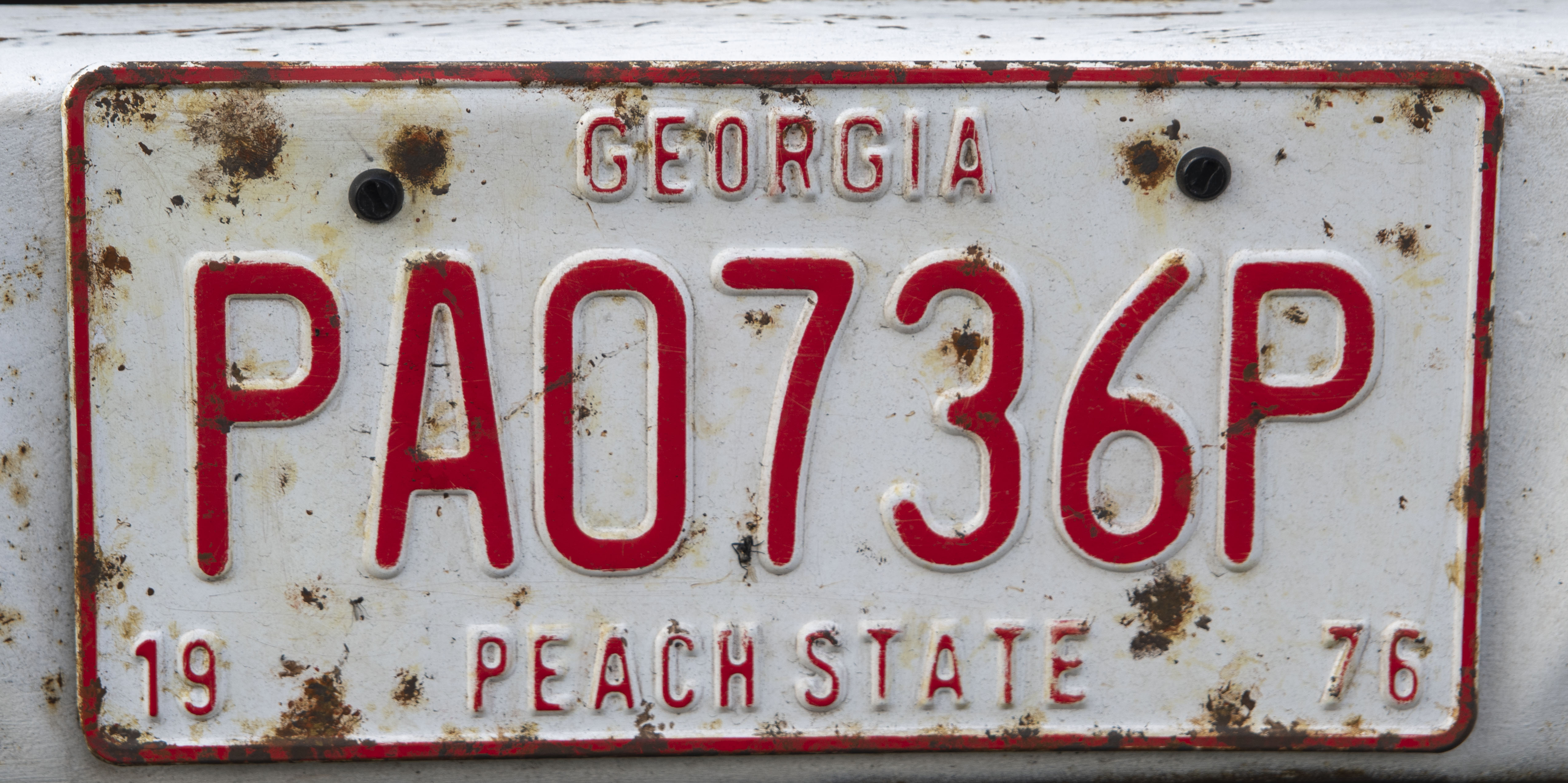
Yesterday, we met up with a customer who was in the area and wanted to collect his latest order of rust paint.  He's transforming this amazing old farm truck imported from Georgia Texas.

For any petrol heads, here's the engine he built himself.

These license plates cost a pretty penny.

                        .

I'm sure by now, you've spotted that behind the handsome Ford truck, is a handsome old building.


 Introducing Harvington Hall, a moated Elizabethan Manor House.  


The moat and artificial island can be traced back to the 13th century, making them even older than the majority of the 14th century building work that still survives behind a layer of brick. 

The property houses the largest number of priest holes (7) than any other property in England and houses an impressive collection of rare Elizabethan wall paintings.  

Friends of ours married in the neighbouring church back in the early 2000s and we all enjoyed a lavish wedding breakfast within the walls of Harvington Hall.  A wonderful memory.


Harvington's history is naturally rich in stories.  Adam he Herywnton (Harvington) lived and almost certainly died here in March 1344.  Upon his death the estate passed to the Earl of Warwick and in 1529 was sold to a wealthy lawyer, Sir John Pakington.  Curiously, there is documentation to say that Pakington was provided with a special grant by Henry VIII no less, permitting him to wear his hat in the King's presence!

Sir John's great nephew, Humphrey Pakington, inherited the estate in 1578 and the manor we see today came into being.  


Unfortunately, being Catholic, Humphrey was repeatedly fined for his refusal to attend the Church of England Sunday services.  The fines started at 12p per week but increased to £20.00 per month, equating to around £4,000 today.  When, in 1585, it was made illegal for a Catholic priest to step foot in England, Humphrey equipped Harvington with ingenious priest holes (including a "swinging beam hide"), which visitors can see today.  Some of these were almost certainly the handiwork of master carpenter Nicholas Owen (who met his own death in the Tower of London in 1606).


A potted history, post Humphrey.  Harvington became the dower house of his widow, Abigail.  Upon her death, Harvington passed to daughter Lady Mary Yate in 1657.  Mary died at Harvington in 1696 at the grand old age of 85.  As she had outlived her son and grandson, Mary's granddaughter, another Mary Yate.  Mary was married to Sir Robert Throckmorton of Coughton Court (now under the care of the National Trust).  Sir Robert had very little use for Harvington and so demolished two wings of the property and in the 19th and early 20th centuries, most of the furnishings were stripped, leaving the hall in a dilapidated state.  


With only two generations of gentry living at Harvington, the house was restored, courtesy of the generosity of a new owner and Catholic lady, Mrs Ellen Ryan Ferris, who in 1923 purchased the Hall and gifted it to the Archdiocese of Birmingham, who still own the hall today.

Outbuildings including cafe, cottages and Georgian Chapel

Yesterday's visit was confined to the grounds and the Georgian chapel, which are free of charge to enter, although we both intend to return for another guided tour as soon as possible.  


A glimpse inside the Georgian chapel.  The light was exquisite.


We also took a stroll down memory lane for Gareth, visiting the location of his first job at another historic local landmark - Hagley Hall Mews.  Fresh out of uni, Gareth was employed as a product designer at this lovely location. 

Here you'll have to use your imagination and conjure a mental image of a courtyard surrounded by converted stables, each housing small independent businesses.  For some reason, my memory card appears to have erased these photos!

Lunch hours (or half hours) were spent wandering the footpaths on the Hagley Hall Estate, a Grade I listed 18th century house in Hagley, Worcestershire, the home of the Lyttelton family, currently owned by the 12th Viscount Cobham.  

Here's the church of St John the Baptist, 


there's the steeple, 


go through the lychgate...and here's a lone teen scrolling on his phone!  OK I'm paraphrasing the old nursery rhyme, but you get the picture.  Incidentally, I have a confession.  The line "I am the resurrection and the life" was introduced to me not via Bible studies, but by The Stone Roses, atheist that I am.


The deer were out in force in the deer park, but you'll have to take my word for it.  Pre dating the Palladian mansion and once considered amongst the greatest of all landscaped gardens, today, the park is under construction and not open to the public after almost 150 years of neglect.

There are numerous follies connected to the estate, scattered around Hagley, one of which can be glimpsed from the summit of Clent Hills.

Another, the Grade II listed Hagley Obelisk, stands close to the summit of Wychbury Hill in Hagley.  Here is it, just visible on the hill above the housing estate.  

The obelisk was constructed in 1747 under the orders of Lord Lyttelton.  However, the monument  for over three quarters of a century, has become part of local folklore courtesy of a very intriguing tale and was also branded with graffiti referencing the local mystery.  But I shall keep you in suspense until my next post!


A Fond Farewell

We've all heard of the proverbial "pain in the neck."  Well, for the longest time, I've been waking up with a cricked neck...